×

Flatback Syndrome | Pediatric Scoliosis | Adult Scoliosis | Surgical Options | Harrington Rod | Lordosis
 Scoliosis Overview
Scoliosis is a curvature of the spine that can first appear during childhood. Some people are born with it, while others develop it over time. Scoliosis can cause the spine to twist and bend in an abnormal way. The cause of scoliosis is unknown, but it does tend to affect more women than men.
It is very important to individually assess cases of scoliosis. Sometimes a back brace is used to prevent worsening of the spine curvature. Dramatic curves of the spine can place pressure on internal organs. If this happens, surgery may be necessary. If left untreated, severe cases of scoliosis can shorten a person's life span.
In less severe cases, scoliosis may cause the bones to twist slightly, making the hips or ribs appear uneven. When this occurs, the problem is more cosmetic and less of a health risk.
Scoliosis surgery is extremely complex, and a person should invest a great deal of time in choosing an orthopedic surgeon who uses the most current surgical fixation rods. If a surgeon uses improper methods during scoliosis surgery, the patient could become paralyzed.
[Top]
The exact cause of scoliosis is unknown. Only 1-4 percent of the population
has this condition. It is more common in women than men and most
often affects adolescents between the ages of 10 and 18. A child's
likelihood to develop scoliosis is much higher if their parent or
a sibling has it. Scoliosis can also develop over time in mid- to
late childhood, usually before puberty. In other cases, the disease
is congenital, meaning a person is born with a vertebral abnormality
that causes it.
[Top]
Sometimes, the symptoms of scoliosis are visible. For instance, the
child may have uneven shoulders, chest, hips, shoulder blades, waist,
or a child may have a tendency to lean to one side. In other cases,
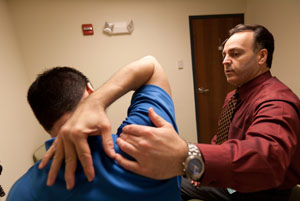
there are no visible symptoms. To diagnose a child with scoliosis,
have them touch their toes. If either one or both shoulder blades
are prominent, the waist is shifted or ribs are uneven, scoliosis
may be present. For a child or teenager, your pediatrician often
screens for scoliosis. There are school screening programs as well.
[Top]
Outlined below are some of the diagnostic tools that your physician may use to gain insight into your condition and determine the best treatment plan for your condition.
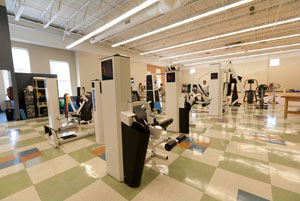
There are roughly three tiers of treatment for adolescent scoliosis. General scoliosis treatment options include observation, bracing, and if the curve is large and progressive, surgery. Patients with pain and function issues can be treated with therapy, as well as physiatry (physical medicine and rehabilitation physician-supervised programs). Sometimes, shoe inserts (orthotics) are prescribed for those whose legs are uneven.
For adults, the emphasis is on function and movement. Bracing is used only as a temporary pain relief measure; it cannot correct the curve in an adult. Treatment focuses on medications and physical therapy. If other problems exist that are caused by the scoliosis (sacroiliac dysfunction, flatback, spinal stenosis, nerve root pinching), there are many non-operative treatments for each of these issues.
Surgery may be required in order to correct the spinal curve. Surgery is usually only recommended for large, progressive curves or in those patients who have nerve pain that steadily worsens. These surgeries can be extremely complicated, and a person should invest a great deal of time in selecting a spine surgeon who subspecializes in using the most current (fourth generation) corrective techniques. As with any spine surgery, finding a doctor with experience in this specific type of surgery is key.
As with any disease, the sooner the problem is discovered, the more treatment options there are available to arrest the progress of the condition.
The Schroth method, also known as Schroth therapy or Schroth scoliosis treatment, is a conservative, non-surgical approach used to treat scoliosis, a condition characterized by an abnormal curvature of the spine. It was developed by Katharina Schroth, a German physical therapist, in the early 20th century.
The Schroth method focuses on correcting spinal imbalances and improving posture through a combination of specific exercises, breathing techniques, and corrective positioning. The goal is to stabilize and reduce the curvature of the spine, relieve pain, and enhance overall function and quality of life.
The main principles of the Schroth method include:
Postural awareness and correction: Individuals are taught to become aware of their postural imbalances and learn how to correct them through specific exercises and positioning.
Rotational breathing: Special breathing techniques are utilized to help correct spinal asymmetries and promote improved spinal alignment.
Three-dimensional exercises: The Schroth method emphasizes exercises that address the three-dimensional nature of scoliosis, taking into account the rotational component of the spinal curvature.
Corrective positioning: Specific positions and postures are taught to help counteract the effects of gravity and promote a more balanced spine.
Schroth therapy is typically personalized to the individual's specific spinal curvature and needs. It involves a comprehensive evaluation by a trained Schroth therapist, who designs an exercise program tailored to the person's unique condition. The therapy is typically performed under the guidance and supervision of a certified Schroth therapist.
While the Schroth method is considered a conservative approach to scoliosis treatment, it is not a cure for scoliosis. However, it can help improve posture, reduce pain, and slow down or halt the progression of the spinal curvature. It is often used in conjunction with other treatments, such as bracing or physical therapy, depending on the severity of the scoliotic curve.
It's important to note that the effectiveness of the Schroth method may vary from person to person, and individual results can depend on factors such as the severity of scoliosis, the age of the individual, and their commitment to the prescribed exercises and techniques. If you're considering Schroth therapy, it's advisable to consult with a qualified healthcare professional or Schroth therapist to determine if it's suitable for your specific condition.
The Rigo Cheneau brace is a specific type of scoliosis brace designed to treat and manage spinal curvature in individuals with scoliosis. It is named after its developers, Dr. Manuel Rigo and Dr. Jacques Cheneau, who collaborated to create this brace.
The Rigo Cheneau brace is a custom-made, rigid brace made of lightweight materials, such as thermoplastics. It is designed to apply three-dimensional corrective forces to the spine, aiming to halt or slow down the progression of scoliosis and promote improved spinal alignment. The brace is unique in that it incorporates a combination of pads and pressure points strategically placed to help correct the individual's specific spinal curvature.
The Rigo Cheneau brace takes into account the rotational and three-dimensional nature of scoliosis. It is designed to exert pressure on the convex (outward) side of the curve while providing support to the concave (inward) side. The brace applies corrective forces and encourages the spine to gradually move towards a more balanced alignment.
The fitting process for a Rigo Cheneau brace involves a thorough evaluation by a scoliosis specialist, including a detailed examination of the individual's spinal curvature and measurements. These measurements are then used to create a custom brace that fits the individual's body shape and scoliotic curve pattern.
Wearing the Rigo Cheneau brace typically involves full-time use, often for several years or until skeletal maturity is reached. The duration and wearing schedule may vary depending on the severity of the scoliosis and the recommendations of the healthcare professional.
It's important to note that the Rigo Cheneau brace is just one of several types of scoliosis braces available, and the choice of brace depends on the individual's specific scoliotic curve and treatment goals. The decision to use a brace and the specific type of brace is typically made in consultation with a scoliosis specialist who can assess the individual's condition and determine the most appropriate treatment approach.
If you or someone you know has scoliosis and is considering the use of a brace, it's recommended to consult with a healthcare professional or scoliosis specialist who can provide a comprehensive evaluation and guide you through the treatment options available.
Your doctor will take X-rays of your spine which will reveal whether or not scoliosis is present as well as how severe it may be.
Scoliosis can be life-threatening when bones are so severely twisted that they compress vital organs. Surgery is most likely the best option in such cases. If left untreated, severe cases of scoliosis can shorten a person's life span.
There are some nonsurgical ways to treat scoliosis such as physical
therapy, exercise, bracing, shoe inserts and medication. However, only
a spine surgeon can determine if any of these options might apply to
you.
[Top]
We have made it easier to schedule appointments, click the button to fill out an online appointment request form or call our new central scheduling line 401-457-1500 to schedule an appointment.
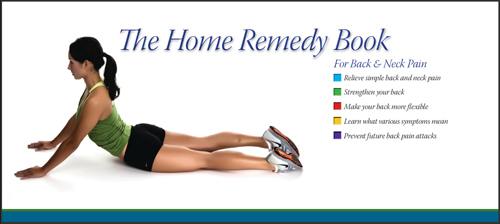
Have back or neck pain? Learn what causes symptoms and the home remedies that relieve pain. University Orthopedics mails out Home Remedy Books to residents throughout the New England area.
University Orthopedics in Providence, Rhode Island, is a regional referral center for patients with back and neck pain, joint pain, sports medicine problems, shoulder pain, hand problems, hip and knee pain, and foot and ankle injury. University Orthopedics utilizes fellowship-trained, sub-specialized physicians to treat a variety of orthopedic problems. Learn more.
 Web Design & Educational Content © Copyright 2023 Prizm Development