×

Flatback Syndrome | Pediatric Scoliosis | Adult Scoliosis | Surgical Options | Harrington Rod | Lordosis
 About Flatback Syndrome
 When the proper curves in the spine that support an economical stance requiring minimum energy to stand or walk fail, the result is a condition called Flatback syndrome.
Some of the symptoms include having trouble maintaining a proper posture, low back pain and thigh pain. Since the person has trouble maintaining proper alignment, the symptoms might increase throughout the day due to fatigue. Patients might also have upper back and neck pain due to constantly trying to realign themselves. These symptoms can often develop to be very painful and leads some patients to having to take medications.
Flatback syndrome was originally used to describe Harrington rods recipients (1960s- early 1990s) due to the fact the rods sometimes flattened the normal sway of the spine. This was due to the rods extending down into the lower part of the spine.
The rods were unable to follow the natural curve of the lower back, which caused the spine to unnaturally straighten out. This unnatural movement helped advance the degeneration of discs in the spine. New advancements in modern scoliosis technology have been credited it making flatback syndrome a much less common problem.
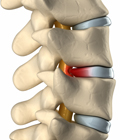
Degenerative Disc Disease can contribute to the person having trouble maintaining upright posture. This disease is from normal wear on the intervertebral discs.
Other conditions that may cause flatback syndrome include having collapsed vertebrae. Arthritis can also contribute to flatback syndrome and cause inflammations in the spine, which may cause pain and stiffness.
Most patients with flatback syndrome will complain of having trouble maintaining a standing upright posture. If the doctor determines you might have flatback syndrome, he or she will order a full-length X-ray of the spine. An MRI or CT scan might also be taken to help the doctor better understand the health of the spine and discs.
Patients diagnosed with Flatback syndrome will initially be treated with an individualized physical therapy program and anti-inflammatory medication. If all non-surgical options have become exhausted, it may be necessary to surgery.
Hip Spine Syndrome left Eloise perpetually bent over. After years of suffering and multiple doctor visits, she met University Orthopedics' spine surgeon, Dr. Alan Daniels and Dr. Bassel Diebo - two of the few people who could actually treat her issue. Here's her myUOIstory
Alice is the owner of an antiques store in Maine. Alice had a severe spine deformity that made everyday tasks nearly impossible. That's when she turned to UOI spine surgeons, Drs. Daniels, Lucas, and Kuris. Now, she's sharing her journey back to spine health and why she chose The Center for Spine Health at University Orthopedics
We have made it easier to schedule appointments, click the button to fill out an online appointment request form or call our new central scheduling line 401-457-1500 to schedule an appointment.
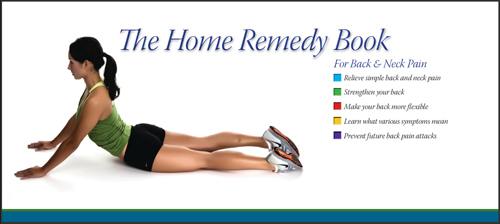
Have back or neck pain? Learn what causes symptoms and the home remedies that relieve pain. University Orthopedics mails out Home Remedy Books to residents throughout the New England area.
University Orthopedics in Providence, Rhode Island, is a regional referral center for patients with back and neck pain, joint pain, sports medicine problems, shoulder pain, hand problems, hip and knee pain, and foot and ankle injury. University Orthopedics utilizes fellowship-trained, sub-specialized physicians to treat a variety of orthopedic problems. Learn more.
 Web Design & Educational Content © Copyright 2023 Prizm Development